Attack on Pearl Harbor
Japan's sudden attack on the United States. USA II. He entered World War II.
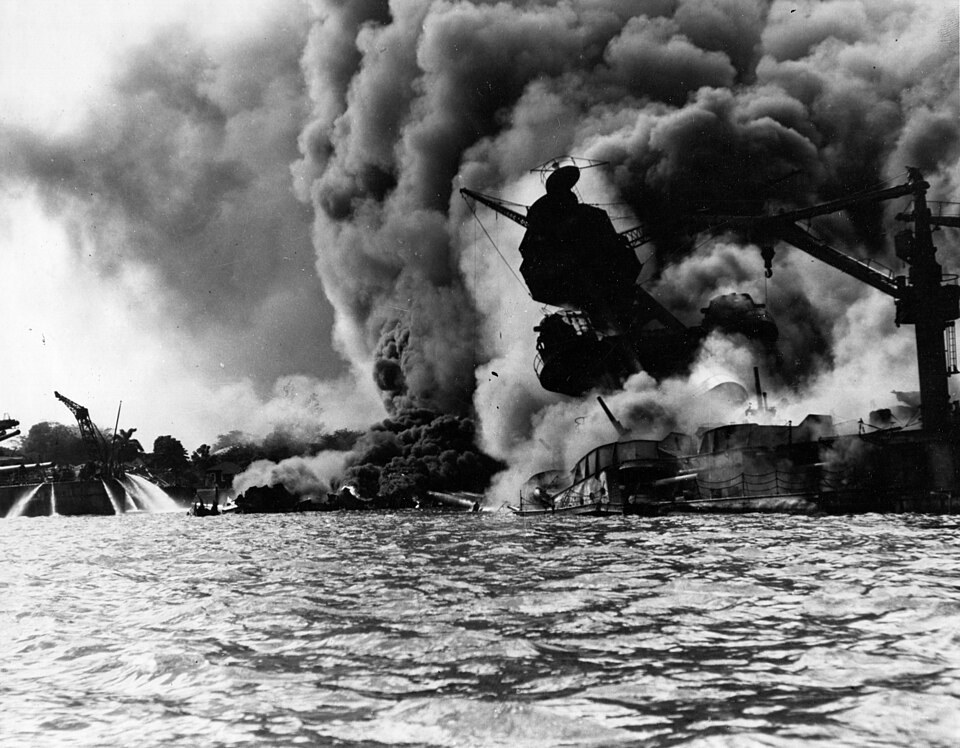
Key Historical Facts
| Fact | Detail |
|---|---|
| Epic Battles | Attack on Pearl Harbor |
| Date | 7 December 1941 |
| Location | Pearl Harbor, Hawaii (21.36, -157.95) |
| Belligerents, Commanders & Forces | Empire of Japan: Chuichi Nagumo (Strength: 414, Casualties: 65) · US Pacific Fleet: Husband Kimmel (Strength: 8, Casualties: 2,403) |
| Weather | Sunny morning |
| Outcome | Japanese Tactical Victory |
Belligerents, Commanders & Forces
Empire of Japan
- Commander
- Chuichi Nagumo
- Stance
- Attacker
- Strength
- 414
- Casualties
- 65
US Pacific Fleet
- Commander
- Husband Kimmel
- Stance
- Defending
- Strength
- 8
- Casualties
- 2,403
Historical Significance
'We woke up the sleeping giant' - Yamamoto. The USA entered the war.
Outcome
Japanese Tactical Victory
Chronological Phases of the Battle
-
1. November 26 – December 7, 1941, 06:00
Kido Butai Approaching
The Japanese striking force Kido Butai, consisting of six aircraft carriers under the command of Admiral Nagumo, crossed the Pacific Ocean under strict radio silence. Following the stormy northern route, the fleet reached two hundred miles north of Oahu undetected. As dawn broke, hundreds of aircraft took off from the flight decks to begin a fatal flight toward their targets.
-
2. December 7, 1941, 07:48 - 08:30
First Wave and Line of Battleships
The first wave of 183 aircraft caught the Pearl Harbor base off guard amid Sunday complacency. Torpedo planes and bomber units turned Battleship Row into an inferno. An armor-piercing bomb hitting the USS Arizona's magazine caused a massive explosion, plunging over a thousand sailors into the waters within seconds.
-
3. December 7, 1941, 08:00 - 08:45
Destruction of Airfields
Japanese fighter planes strafed Wheeler and Hickam airfields, paralyzing any possibility of an American counterattack. Hundreds of parked airplanes exploded on the runways before they could take off. Amidst this destruction, only a handful of brave American pilots managed to take off, engaging in a desperate yet heroic dogfight with enemy fighters in the sky.
-
4. December 7, 1941, 08:54 - 09:45
Second Wave and Resistance
When the second wave of 171 aircraft reached the harbor, the unprepared American defense responded with intense anti-aircraft fire. Amidst clouds of smoke, the USS Nevada tried to escape, sustained heavy damage, and ran aground. Japanese planes continued to ruthlessly bomb the shipyard facilities and other support vessels in the harbor.
-
5. December 7, 1941, 10:00 and after
Retreat and the Sleeping Giant
Nagumo called off a third wave to strike the fuel depots due to the absence of American carriers and anti-aircraft resistance, and withdrew the fleet. Twenty-one warships had been sunk or damaged; more than 2,400 Americans were killed. However, thanks to the intact fuel depots and aircraft carriers, America committed itself to the war overnight.
Frequently Asked Questions
When and where did Attack on Pearl Harbor take place, and what was the outcome?
Attack on Pearl Harbor took place on 7 December 1941 at Pearl Harbor, Hawaii and ended with Japanese Tactical Victory.
Who were the commanders and troop numbers in Attack on Pearl Harbor?
Empire of Japan: Chuichi Nagumo (Strength: 414, Casualties: 65) · US Pacific Fleet: Husband Kimmel (Strength: 8, Casualties: 2,403)
Why is Attack on Pearl Harbor historically significant?
'We woke up the sleeping giant' - Yamamoto. The USA entered the war.