Battle of Ayacucho
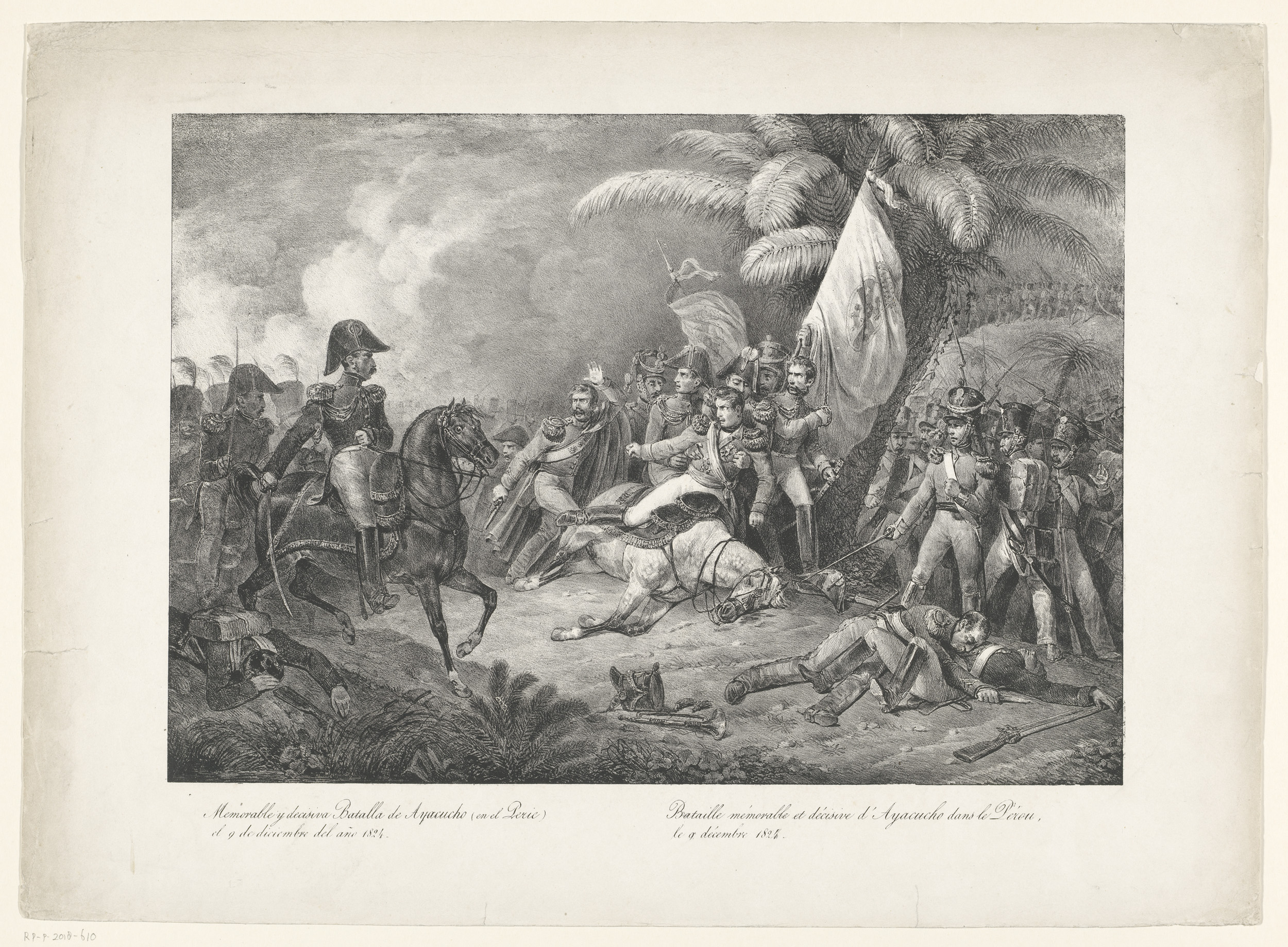
The Battle of Ayacucho is the decisive turning point that secured South America's liberation from Spanish colonial rule. The United Liberation Army, commanded by General Antonio José de Sucre, destroyed the numerically superior Spanish Royal Army at the foot of Condorcunca Hill, ensuring Peru's independence and the practical end of Spanish hegemony on the continent.
Key Historical Facts
| Fact | Detail |
|---|---|
| Epic Battles | Battle of Ayacucho |
| Date | December 9, 1824 |
| Location | Quinua, Ayacucho, Peru (-13.0456, -74.1378) |
| Belligerents, Commanders & Forces | United Liberation Army: Antonio José de Sucre (Strength: 5,780, Casualties: Yaklaşık 370 ölü ve 609 yaralı) · Spanish Royal Army: José de la Serna (Strength: 9,310, Casualties: Yaklaşık 1.800 ölü, 700 yaralı ve Genel Vali dahil 2.000 esir) |
| Weather | An open, cool, and dry mountain climate at the foothills of the Andes |
| Outcome | Definitive victory of the United Liberation Army; the surrender of the Kingdom of Spain in Peru |
Belligerents, Commanders & Forces
United Liberation Army
- Commander
- Antonio José de Sucre
- Stance
- Defending
- Strength
- 5,780
- Casualties
- Yaklaşık 370 ölü ve 609 yaralı
Spanish Royal Army
- Commander
- José de la Serna
- Stance
- Attacker
- Strength
- 9,310
- Casualties
- Yaklaşık 1.800 ölü, 700 yaralı ve Genel Vali dahil 2.000 esir
Historical Significance
This victory brought a permanent end to the Spanish Empire's presence on the South American mainland, turned Simón Bolívar's vision of independence into reality, and formalized the birth of Peru and Bolivia as sovereign states.
Outcome
Definitive victory of the United Liberation Army; the surrender of the Kingdom of Spain in Peru
Chronological Phases of the Battle
-
1. 09:00
Deployment on the Slopes of Condorcunca
In the early morning hours, the Spanish Royal Army began descending from the steep slopes of Condorcunca Hill toward the plain. General Sucre addressed his troops, announcing that today's victory would determine the fate of the entire American continent. The independence forces tightened their defense lines, waiting for the enemy to descend scattered across the rugged terrain.
-
2. 10:00
Royalist Left Flank Assault
Royal infantry under the command of Spanish General Monet launched a fierce assault on Sucre's left flank as soon as they reached the plain. General José María Córdova ordered his men not to fall back. The clash quickly turned into a hand-to-hand bayonet combat, and clouds of smoke engulfed the entire valley.
-
3. 11:15
Córdoba's Counter-Attack
General Córdova issued the historic order, 'Steps forward, weapons to victory!', launching a lethal counter-assault with his infantry toward the center of the royalists. The Spanish battalions, not yet fully deployed on the plain, reeled under this sudden and resolute charge and began to lose their formation.
-
4. 12:00
Valley Cavalry Revenge
The royal cavalry charged to save the situation, but were met by patriot cavalry commanded by Miller. In the fierce cavalry clash, the pro-independence horsemen broke through the royalist flank, neutralized the Spanish artillery positions one by one, and threatened the enemy's lines of retreat.
-
5. 12:45
The Capture of Viceroy La Serna
Trying to rally his troops in person, Viceroy of Peru José de la Serna was wounded at the height of the engagement and fell from his horse. Captured by patriot soldiers, the news of La Serna's capture caused widespread panic and a general wave of collapse within the royalist ranks.
-
6. 13:30
The Surrender of the Royal Army
Realizing he had no way out, General Canterac raised a white flag to prevent the annihilation of his remaining troops. With the signing of the Capitulation of Ayacucho, the Spanish Royal Army surrendered completely. Three centuries of Spanish dominion in the heart of South America came to a definitive end on this plain.
Frequently Asked Questions
When and where did Battle of Ayacucho take place, and what was the outcome?
Battle of Ayacucho took place on December 9, 1824 at Quinua, Ayacucho, Peru and ended with Definitive victory of the United Liberation Army; the surrender of the Kingdom of Spain in Peru.
Who were the commanders and troop numbers in Battle of Ayacucho?
United Liberation Army: Antonio José de Sucre (Strength: 5,780, Casualties: Yaklaşık 370 ölü ve 609 yaralı) · Spanish Royal Army: José de la Serna (Strength: 9,310, Casualties: Yaklaşık 1.800 ölü, 700 yaralı ve Genel Vali dahil 2.000 esir)
Why is Battle of Ayacucho historically significant?
This victory brought a permanent end to the Spanish Empire's presence on the South American mainland, turned Simón Bolívar's vision of independence into reality, and formalized the birth of Peru and Bolivia as sovereign states.