Battle of Bosworth Field
The Battle of Bosworth Field is the decisive engagement of the Wars of the Roses. Henry Tudor, representing the House of Lancaster, defeated King Richard III of the House of York, seizing the English throne and initiating the Tudor dynasty.
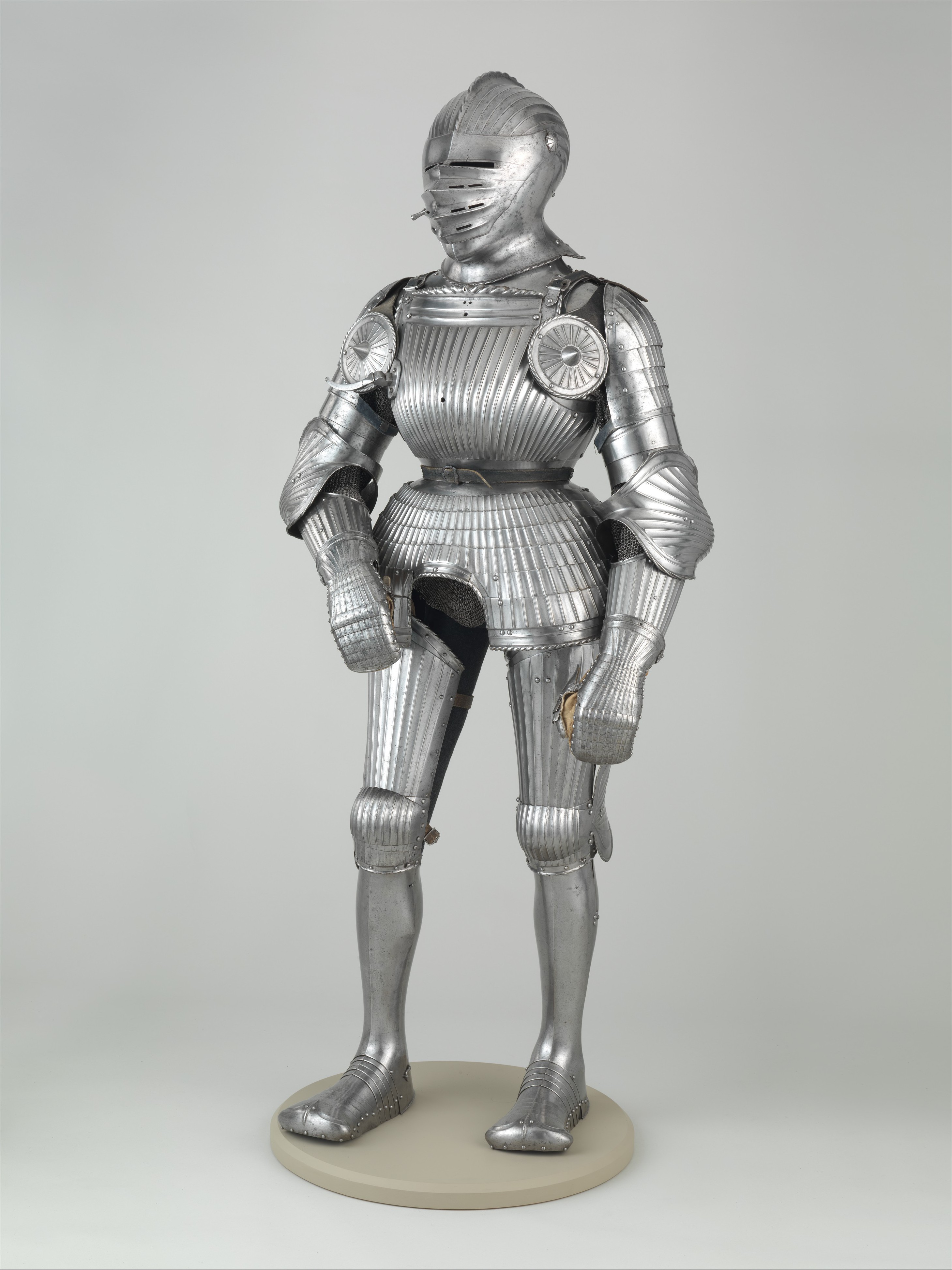
Key Historical Facts
| Fact | Detail |
|---|---|
| Epic Battles | Battle of Bosworth Field |
| Date | August 22, 1485 |
| Location | Leicestershire, England (52.5972, -1.4111) |
| Belligerents, Commanders & Forces | House of Lancaster and Allies: Henry Tudor (Strength: 5,000, Casualties: Yaklaşık 1.000 ölü ve yaralı) · House of York (Royal Army): Richard III (Strength: 10,000, Casualties: Yaklaşık 1.000 ölü, Kral Richard dahil) |
| Weather | A clear and sunny summer morning, with a light breeze |
| Outcome | Decisive victory for the Tudors (Lancaster); Richard III was killed on the battlefield. |
Belligerents, Commanders & Forces
House of Lancaster and Allies
- Commander
- Henry Tudor
- Stance
- Attacker
- Strength
- 5,000
- Casualties
- Yaklaşık 1.000 ölü ve yaralı
House of York (Royal Army)
- Commander
- Richard III
- Stance
- Defending
- Strength
- 10,000
- Casualties
- Yaklaşık 1.000 ölü, Kral Richard dahil
Historical Significance
led to the end of the Plantagenet Dynasty and the medieval period in England, ensuring the establishment of the Tudor Dynasty with its strong centralized authority.
Outcome
Decisive victory for the Tudors (Lancaster); Richard III was killed on the battlefield.
Chronological Phases of the Battle
-
1. 08:00
Morning Deployment and Ambion Hill
King Richard III positioned his army on the strategic Ambion Hill. Henry Tudor's forces took a cautious approach toward the hill by circumventing the marshy terrain. All eyes on both sides were fixed on the seemingly neutral troops of the Stanley brothers, who held the high ground.
-
2. 09:30
Clash of Vanguard Units
The Tudor vanguard, commanded by the Earl of Oxford, charged up the hill. The Duke of Norfolk's veteran royal troops met this assault with a hail of arrows and pikes. As fierce hand-to-hand combat ensued, the lines locked together.
-
3. 10:45
The Counterattack of the Earl of Oxford
The Earl of Oxford managed to pierce the royalist flank by deploying his troops in a tight wedge formation. When the Duke of Norfolk was killed in the fray, the royal vanguard panicked and began to fall back. Richard's numerical superiority was evaporating.
-
4. 11:30
King Richard's Desperate Cavalry Charge
Realizing the situation was turning against him, Richard III launched a lethal breakthrough charge with his elite cavalry directly at Henry Tudor. Richard personally unhorsed Henry's standard-bearer and came within a few meters of Tudor.
-
5. 12:00
William Stanley's Betrayal and Intervention
Sir William Stanley, who had waited on the sidelines until then, made a sudden decision to attack Richard's flank. The King's storm column was encircled and compressed toward the marsh. Although Richard lost his horse, he continued to fight with his sword until his last breath.
-
6. 12:45
The Fall of the King and Tudor Victory
King Richard III became the last English monarch to die on the battlefield. The royal crown, found among the bushes, was placed upon Henry Tudor's head right there. The Wars of the Roses came to an end, and the Tudor Dynasty officially ascended to power.
Frequently Asked Questions
When and where did Battle of Bosworth Field take place, and what was the outcome?
Battle of Bosworth Field took place on August 22, 1485 at Leicestershire, England and ended with Decisive victory for the Tudors (Lancaster); Richard III was killed on the battlefield..
Who were the commanders and troop numbers in Battle of Bosworth Field?
House of Lancaster and Allies: Henry Tudor (Strength: 5,000, Casualties: Yaklaşık 1.000 ölü ve yaralı) · House of York (Royal Army): Richard III (Strength: 10,000, Casualties: Yaklaşık 1.000 ölü, Kral Richard dahil)
Why is Battle of Bosworth Field historically significant?
led to the end of the Plantagenet Dynasty and the medieval period in England, ensuring the establishment of the Tudor Dynasty with its strong centralized authority.