Battle of Blenheim
The Battle of Blenheim, a turning point of the War of the Spanish Succession, was a decisive victory won by the Allied army under the command of the Duke of Marlborough and Prince Eugene of Savoy against the combined forces of France and Bavaria. This victory saved Vienna from French occupation and dealt a severe blow to King Louis XIV's hegemony in Europe.
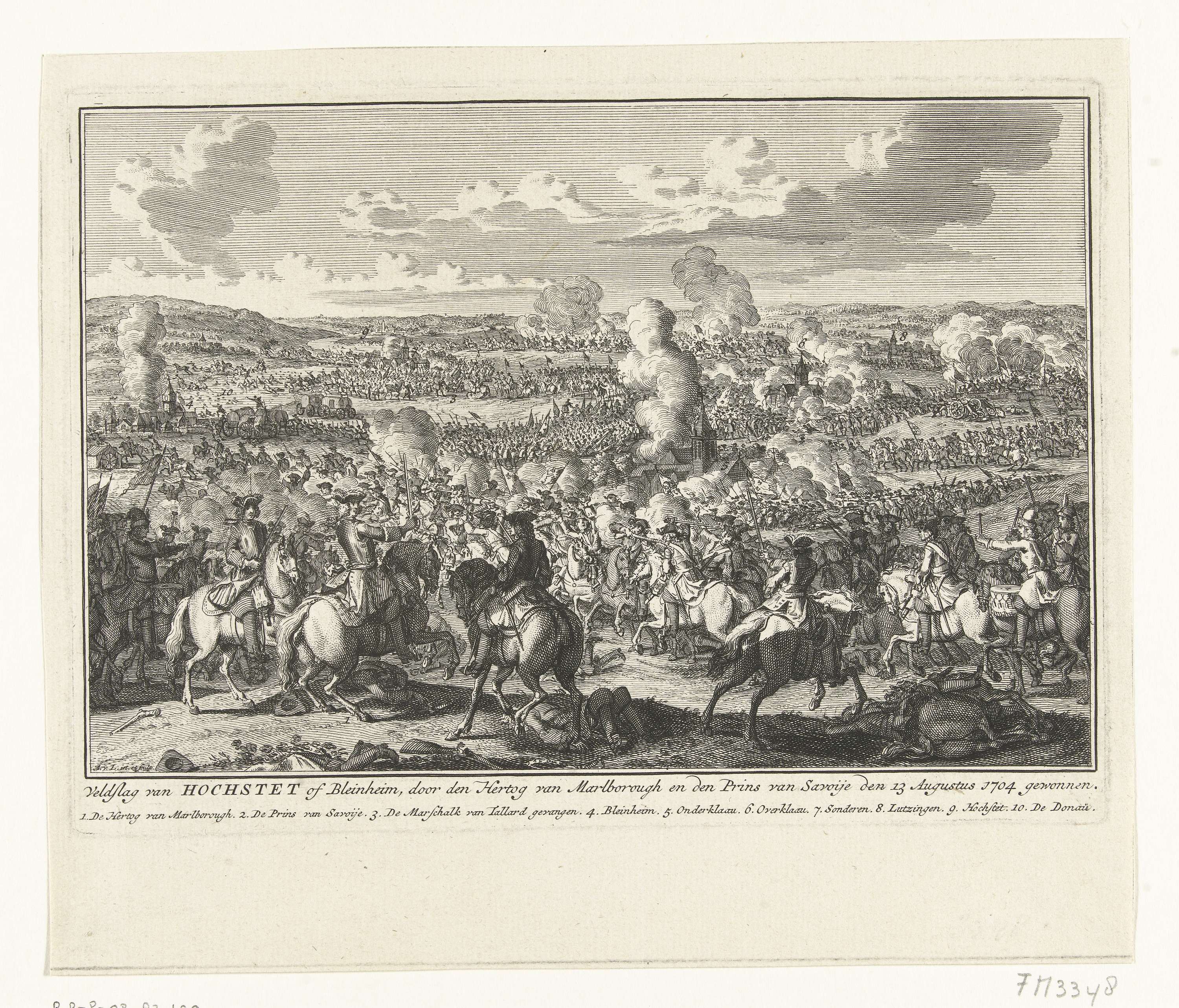
Key Historical Facts
| Fact | Detail |
|---|---|
| Epic Battles | Battle of Blenheim |
| Date | 13 August 1704 |
| Location | Blindheim, Bavaria, Germany (48.6361, 10.6014) |
| Belligerents, Commanders & Forces | Grand Alliance (England, Holy Roman Empire, Netherlands): Duke of Marlborough, Prince Eugene of Savoy (Strength: 52,000, Casualties: Yaklaşık 12.000 ölü ve yaralı) · France and Bavaria: The Duke of Tallard, Marsin, and the Elector of Bavaria (Strength: 56,000, Casualties: Yaklaşık 20.000 ölü ve yaralı, 14.000 esir (Tallard dahil)) |
| Weather | Dense fog in the morning, clear and hot in the afternoon |
| Outcome | Decisive Allied (Grand Alliance) Victory |
Belligerents, Commanders & Forces
Grand Alliance (England, Holy Roman Empire, Netherlands)
- Commander
- Duke of Marlborough, Prince Eugene of Savoy
- Stance
- Attacker
- Strength
- 52,000
- Casualties
- Yaklaşık 12.000 ölü ve yaralı
France and Bavaria
- Commander
- The Duke of Tallard, Marsin, and the Elector of Bavaria
- Stance
- Defending
- Strength
- 56,000
- Casualties
- Yaklaşık 20.000 ölü ve yaralı, 14.000 esir (Tallard dahil)
Historical Significance
It shattered France's aura of invincibility, knocked Bavaria out of the war, and enabled Britain to rise as a first-rate military power in European politics.
Outcome
Decisive Allied (Grand Alliance) Victory
Chronological Phases of the Battle
-
1. 07:00 - 10:00
Morning Advance and Deployment
Beneath the dense fog that descended in the early morning hours, the Allied army advanced silently along the Nebel stream. The French commander Tallard mistook this movement for a retreat and was caught unprepared. The Allied flanks were coordinated in flawless harmony between Prince Eugene and Marlborough. When the fog lifted, the French artillery opened its deadly fire.
-
2. 12:30 - 14:00
Attack on the Village of Blenheim
British infantry under the command of Lord Cutts launched a relentless assault on the fortified village of Blenheim along the banks of the Danube. The French defense was highly resilient, and the charges were repulsed with heavy casualties. However, this attack terrified the French, and Tallard weakened his central line by cramming 27 elite battalions withdrawn from the center into the village.
-
3. 13:30 - 15:00
The Crisis on the Oberglau Flank
In the north, Prince Eugen struggled to advance against Bavarian forces in the rugged terrain. On the center-left flank, around the village of Oberglau, French cavalry launched a sudden counterattack, beginning to crush the Allied infantry. Marlborough personally intervened, bringing up reserve units and narrowly preventing the complete collapse of the line.
-
4. 15:00 - 16:30
The Crossing of the Nebel Brook
Marlborough noticed that the center of the French army had dangerously thinned due to the shifting of forces to Blenheim and Oberglau. British and Dutch engineers built bridges over the marshy Nebel Creek. Crossing the creek with great discipline, the Allied infantry and cavalry formed up for the assault.
-
5. 16:30 - 17:30
Devastating Cavalry Charge Against the Center
The Duke of Marlborough personally led a massive cavalry force of about 80 squadrons. The tired counter-assault of the French cavalry was easily broken. The Allied cavalry tore the French center in two like a knife. The French lines broke in panic and began fleeing toward the Danube River; French Marshal Tallard was captured.
-
6. 17:30 - 19:00
Siege and Surrender of Blenheim
With the collapse of the center, the massive French force in the village of Blenheim was completely encircled. Hopeless of receiving reinforcements and with no escape route left, over 10,000 French soldiers surrendered. With this unprecedented mass surrender, the battle on the banks of the Danube concluded with an absolute Allied victory.
Frequently Asked Questions
When and where did Battle of Blenheim take place, and what was the outcome?
Battle of Blenheim took place on 13 August 1704 at Blindheim, Bavaria, Germany and ended with Decisive Allied (Grand Alliance) Victory.
Who were the commanders and troop numbers in Battle of Blenheim?
Grand Alliance (England, Holy Roman Empire, Netherlands): Duke of Marlborough, Prince Eugene of Savoy (Strength: 52,000, Casualties: Yaklaşık 12.000 ölü ve yaralı) · France and Bavaria: The Duke of Tallard, Marsin, and the Elector of Bavaria (Strength: 56,000, Casualties: Yaklaşık 20.000 ölü ve yaralı, 14.000 esir (Tallard dahil))
Why is Battle of Blenheim historically significant?
It shattered France's aura of invincibility, knocked Bavaria out of the war, and enabled Britain to rise as a first-rate military power in European politics.