Battle of Arnhem
The Battle of Arnhem is a major airborne operation organized by the Allies to capture the last strategic bridge over the Rhine River as part of Operation Market Garden. Lacking the support of armored units, the British 1st Airborne Division encountered elements of the elite 2. SS Panzer Corps stationed in the region and was forced to retreat after suffering heavy casualties.
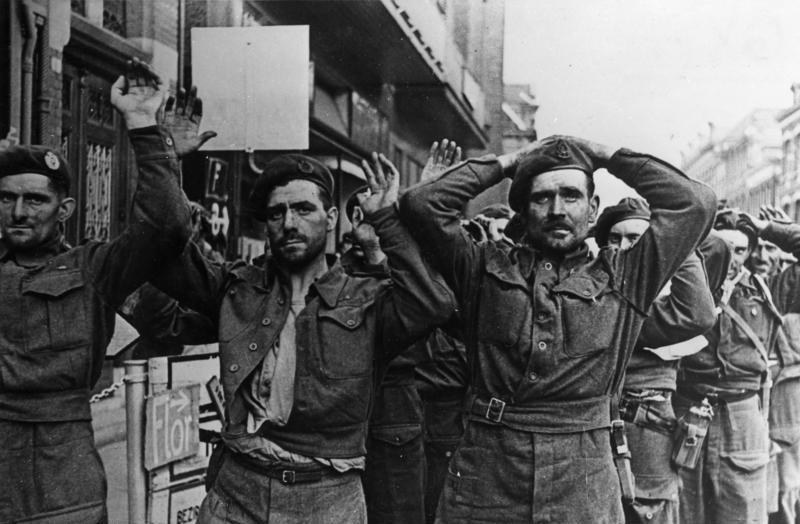
Key Historical Facts
| Fact | Detail |
|---|---|
| Epic Battles | Battle of Arnhem |
| Date | September 17 - 26, 1944 |
| Location | Arnhem, Netherlands (51.9806, 5.9111) |
| Belligerents, Commanders & Forces | Allies (Britain and Poland): Major General Roy Urquhart (Strength: 10,600, Casualties: 1.984 ölü, 6.854 esir veya kayıp) · Germany: Field Marshal Walter Model (Strength: 18,000, Casualties: Yaklaşık 1.300 ölü, 2.000 yaralı) |
| Weather | Initially clear, but in the following days foggy, misty, and periodically rainy weather hindered aerial support. |
| Outcome | German victory; Allied airborne troops retreated. |
Belligerents, Commanders & Forces
Allies (Britain and Poland)
- Commander
- Major General Roy Urquhart
- Stance
- Attacker
- Strength
- 10,600
- Casualties
- 1.984 ölü, 6.854 esir veya kayıp
Germany
- Commander
- Field Marshal Walter Model
- Stance
- Defending
- Strength
- 18,000
- Casualties
- Yaklaşık 1.300 ölü, 2.000 yaralı
Historical Significance
It dashed Allied plans to end the war before the end of 1944, postponed the crossing of the Rhine until the spring of 1945, and went down in history as the largest Allied airborne fiasco on the Western Front.
Outcome
German victory; Allied airborne troops retreated.
Chronological Phases of the Battle
-
1. September 17, 1944, Afternoon
Troops Descending from the Sky
On a sunny September afternoon, thousands of paratroopers and hundreds of gliders landed on the Wolfheze heaths west of Arnhem. The British 1st Airborne Division managed to regroup with almost no casualties. However, the landing zones were approximately ten kilometres from their primary objective, the Arnhem Bridge. As the paratroopers began their march toward the Rhine River, the element of surprise rapidly evaporated.
-
2. September 17, 1944, Evening
Assault on the Bridge and Frost's Group
The 2nd Battalion, commanded by Lieutenant Colonel John Frost, succeeded in breaching German defense lines and reaching the northern end of the Arnhem road bridge. Meanwhile, the other two battalions advancing toward the city center were ruthlessly stopped by the regrouped units of the 9th SS Panzer Division. Frost's approximately seven hundred troops began setting up defensive positions by holding the bridge and the surrounding buildings.
-
3. September 18, 1944, Morning
Armor Clash at the Bridge
The 9th SS Reconnaissance Battalion, commanded by Captain Paul Gräbner, launched a daring armored assault from the south to cross the Arnhem Bridge. British paratroopers engaged the convoy with anti-tank weapons and grenades. The bridge became littered with burning armored vehicles and corpses. The attack was repulsed, but Allied ammunition dropped to critical levels.
-
4. September 19, 1944, All Day
The Oosterbeek Perimeter
The main division units that failed to reach the city were forced to retreat to the town of Oosterbeek. Major General Urquhart deployed his troops into a narrow defensive pocket along the banks of the Rhine River. Mortars and heavy German tanks turned the hotels and gardens where the defenders took shelter into ruins. Due to severed radio communications, British artillery support and air resupplies were landing off-target.
-
5. Night of September 20, 1944
Last Stand at the Bridge
The situation at Arnhem Bridge became desperate. German Tiger buildings directly, burying the paratroopers amidst the rubble. Lieutenant Colonel Frost was severely wounded, and ammunition was completely exhausted. Holding off the overwhelming enemy force for four days, this heroic group was forced to surrender after bloody close-quarters combat, and the bridge returned to German control.
-
6. Late afternoon, September 21, 1944
Polish Airborne Landing at Driel
Delayed by fog and adverse weather conditions, the 1st Polish Independent Parachute Brigade, under the command of General Sosabowski, landed in the village of Driel south of the river. Their objective was to ferry across the river to the Oosterbeek pockets and relieve the siege. However, the ferry had been scuttled. Under intense German machine-gun fire, only a small contingent of Poles managed to cross the river.
-
7. Morning, September 23, 1944
The Cauldron is Boiling
The Allied pocket in Oosterbeek was shrinking by the hour. Food, clean water, and medical supplies ran out. The paratroopers were now fighting house-to-house with only pistols and bayonets. The armored units of the Thirtieth Corps, expected from the south, had passed Nijmegen but were completely stalled by German fire on the narrow causeway on the road to Arnhem.
-
8. Night of September 25–26, 1944
Berlin Operation and Evacuation
To prevent the destruction of the division, Urquhart ordered a covert withdrawal codenamed Operation Berlin. Under the cover of heavy rain and darkness, the paratroopers muffled the sound of their boots with cloth and slipped down to the riverbank. More than two thousand soldiers were ferried south in small boats. The wounded and rear guards left behind fell captive at dawn.
Frequently Asked Questions
When and where did Battle of Arnhem take place, and what was the outcome?
Battle of Arnhem took place on September 17 - 26, 1944 at Arnhem, Netherlands and ended with German victory; Allied airborne troops retreated..
Who were the commanders and troop numbers in Battle of Arnhem?
Allies (Britain and Poland): Major General Roy Urquhart (Strength: 10,600, Casualties: 1.984 ölü, 6.854 esir veya kayıp) · Germany: Field Marshal Walter Model (Strength: 18,000, Casualties: Yaklaşık 1.300 ölü, 2.000 yaralı)
Why is Battle of Arnhem historically significant?
It dashed Allied plans to end the war before the end of 1944, postponed the crossing of the Rhine until the spring of 1945, and went down in history as the largest Allied airborne fiasco on the Western Front.