Battle of Sakarya (Officers' Battle)
The Battle of Sakarya is considered the fateful moment of the Turkish War of Independence. The war is waged with the doctrine that there is no line defence, there is superficial defence.
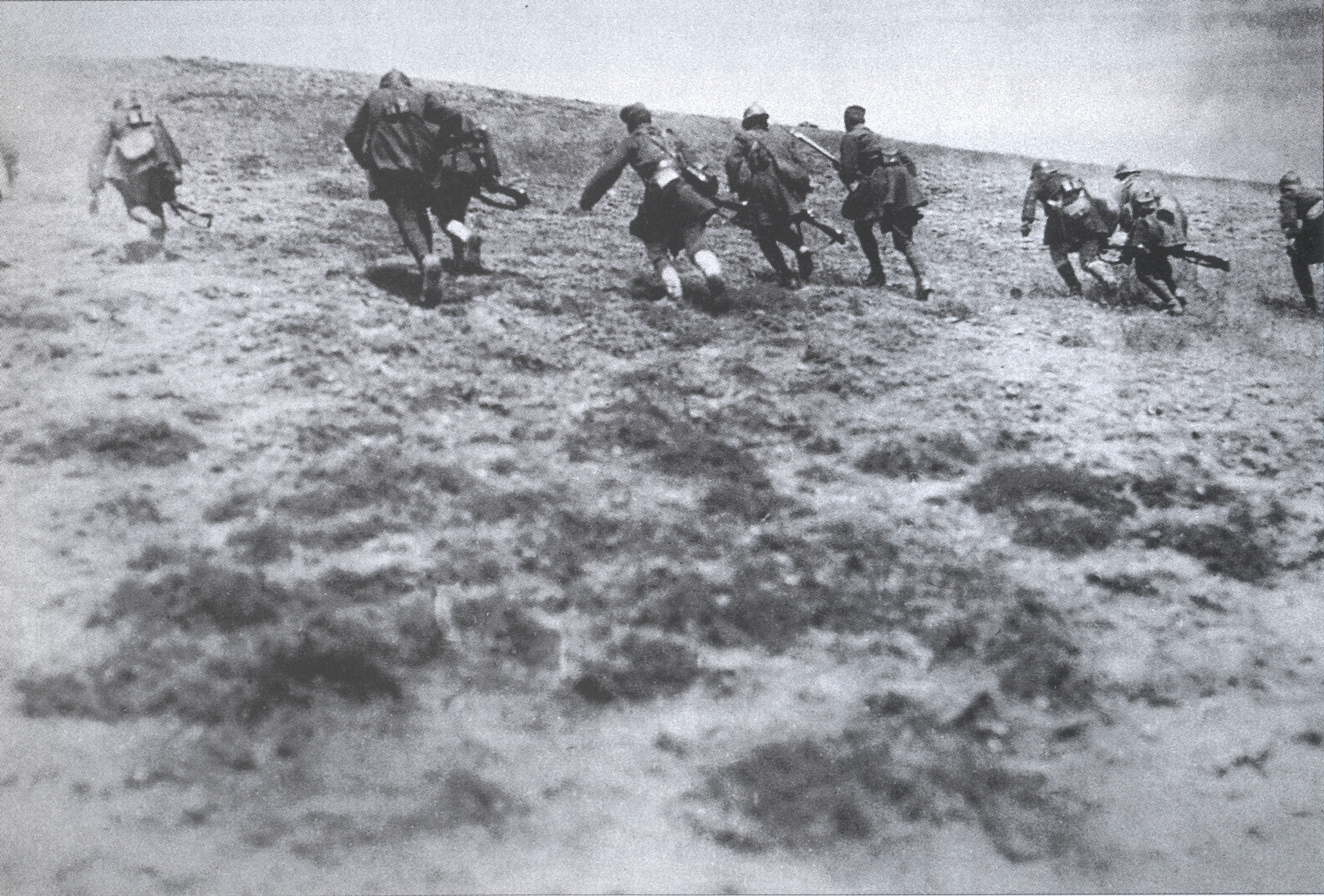
Key Historical Facts
| Fact | Detail |
|---|---|
| Epic Battles | Battle of Sakarya (Officers' Battle) |
| Date | 23 August – 13 September 1921 |
| Location | Polatlı & Haymana (Sakarya Basin), Ankara (39.584, 32.147) |
| Belligerents, Commanders & Forces | TBMM Army (Western Front Forces): Mustafa Kemal Atatürk & Fevzi Çakmak & İsmet İnönü (Strength: 96,326, Casualties: 37,090) · Kingdom of Greece (Army of Asia Minor): General Anastasios Papoulas (Strength: 120,000, Casualties: 42,000) |
| Weather | Summer heat |
| Outcome | Strategic Turkish Victory — Greek Offensive Force Broken |
Belligerents, Commanders & Forces
TBMM Army (Western Front Forces)
- Commander
- Mustafa Kemal Atatürk & Fevzi Çakmak & İsmet İnönü
- Stance
- —
- Strength
- 96,326
- Casualties
- 37,090
Kingdom of Greece (Army of Asia Minor)
- Commander
- General Anastasios Papoulas
- Stance
- —
- Strength
- 120,000
- Casualties
- 42,000
Historical Significance
The battle, which lasted 22 days and 22 nights and was known as the 'Officers' War' (Melhame-i Kübra) because 70% of the division/regiment commanders were martyrs or veterans, ended the Turkish retreat that had been going on since 1683.
Outcome
Strategic Turkish Victory — Greek Offensive Force Broken
Chronological Phases of the Battle
-
1. July 1921
Eskişehir Defense and Withdrawal to Sakarya Line
The advance of the Greek army in the Kütahya-Eskişehir battles made it difficult for the Turkish defense to hold its positions in the west. After the clashes around Eskişehir and the counter-attack, the Turkish command turned to a new defense order that would protect the army's strength. The withdrawal to the east of Sakarya allowed the regrouping of troops to meet the approaching threat to Ankara. The July battles turned into a heavy preparation phase that required the Western Front to reorganize its troops and supplies.
-
2. 10 August 1921
Northern Anatolia Operation and Supply Difficulties
Greek King Constantine I directed his troops to attack the Sakarya Line on 10 August. The Greek army made a difficult transition for nine days before making contact with the enemy. This march included a siege maneuver through Northern Anatolia, where water and food were extremely scarce. The advancing Greek infantry had to forcibly obtain water and corn from Turkish villages. Difficult terrain conditions led to the death of transport animals and disruption of the movement of heavy artillery.
-
3. 23 August 1921
Polatlı Headquarters and Gök River Theme
The battle officially began on August 23, with Greek forces making contact with advanced Turkish positions south of the Gök River. The Turkish General Staff established its operations center in Polatlı, located on the railway a few miles east of the Sakarya River. The Turkish command established its defense line near Polatlı, at the point where Sakarya and the Gök River meet, and from there on the steep ridges extending east along the river line, making maximum use of the natural obstacles offered by the terrain.
-
4. 26 August 1921
Gök River Offensive and Battles on the Ridge
The Greek army launched an attack along the entire front line on 26 August. Crossing the shallow Gok River, the Greek infantry climbed, fighting step by step, towards the highlands, where every hill and ridge had to be captured by assault against fortified trenches and intense fire. On the steep banks of the river and the rocky hills behind, the Turkish defenses applied a fierce fire. Along the front line stretching over a hundred kilometers, the fighting turned into hand-to-hand combat over trenches and rugged terrain.
-
5. 2 September 1921
The Fall of Çal Mountain and the Threat to Ankara
The dominant elevations of the key Çal Mountain came under the control of Greek forces as of September 2. When the attempt to surround the Turkish left flank failed, the conflict turned into a fierce frontal clash of infantry, machine guns and artillery. Greek troops continued their main attack from the center, broke through the Turkish second defense line and advanced approximately sixteen kilometers in ten days. Some leading elements even reached the most advanced point of the operation, approaching fifty kilometers from the city of Ankara.
-
6. September 1921
Turkish Cavalry Raids and Cutting of Supply Lines
During the battle days, neither food nor ammunition could be delivered to the Greek front for days due to the raids of the Turkish cavalry towards the rear of the front and the raids on the communication lines. Unlike the Greek army, which sent all its units into battle, fresh recruits continued to flow to the front with the mobilization declared on the Turkish side. The momentum of the Greek attack on the line covering the Haymana and Polatlı regions was broken, and with the collapse of logistics, a temporary pause in the conflicts emerged.
-
7. 10–13 September 1921
General Counter-Offensive and Recapture of East of Sakarya
The Turkish army launched a general counter-attack on September 10, after the offensive power of the Greek forces was eroded. The forces previously allocated to maintaining the defense were this time used to take the initiative. The Greek army lost the opportunity to stay in its lines and retreated to the west of Sakarya. By September 13, the fighting east of the river was over. Thus, the defense, which continued with tactical retreats on the front, resulted in the Turkish army regaining the upper hand.
-
8. After 14 September 1921
Post-Battle Pursuit and Withdrawal of the Greek Army
After the battle in the east of Sakarya ended on September 13, the front movement turned into a phase of pursuit and retreat. While the Greek troops were heading towards their lines in the Eskişehir-Afyon direction, the Turkish forces had to monitor the progress and the status of the troops in the regained area. Starting from September 14, the subsequent operation continued within the framework of redeployment and pursuit. Supply difficulties and force losses resulting from long battles were the conditions that determined to what extent the success achieved could be furthered.
-
9. 20–24 September 1921
Turkish Pursuit Operation and the Liberation of the Western Towns
After the withdrawal of the Greek army, Turkish forces began to quickly take back the places they had lost. Turkish troops recaptured Sivrihisar on 20 September, Aziziye on 22 September, and the towns of Bolvadin and Çay on 24 September. This retreat in Sakarya completely ended the Greek side's dreams of imposing conditions on Türkiye by force of arms. For the Turkish army, the battle was the most decisive turning point in the general operation that would completely remove the invaders from Anatolian lands.
Frequently Asked Questions
When and where did Battle of Sakarya (Officers' Battle) take place, and what was the outcome?
Battle of Sakarya (Officers' Battle) took place on 23 August – 13 September 1921 at Polatlı & Haymana (Sakarya Basin), Ankara and ended with Strategic Turkish Victory — Greek Offensive Force Broken.
Who were the commanders and troop numbers in Battle of Sakarya (Officers' Battle)?
TBMM Army (Western Front Forces): Mustafa Kemal Atatürk & Fevzi Çakmak & İsmet İnönü (Strength: 96,326, Casualties: 37,090) · Kingdom of Greece (Army of Asia Minor): General Anastasios Papoulas (Strength: 120,000, Casualties: 42,000)
Why is Battle of Sakarya (Officers' Battle) historically significant?
The battle, which lasted 22 days and 22 nights and was known as the 'Officers' War' (Melhame-i Kübra) because 70% of the division/regiment commanders were martyrs or veterans, ended the Turkish retreat that had been going on since 1683.