Battle of Gettysburg
The turning point of the American Civil War. The Confederacy's final advance north.
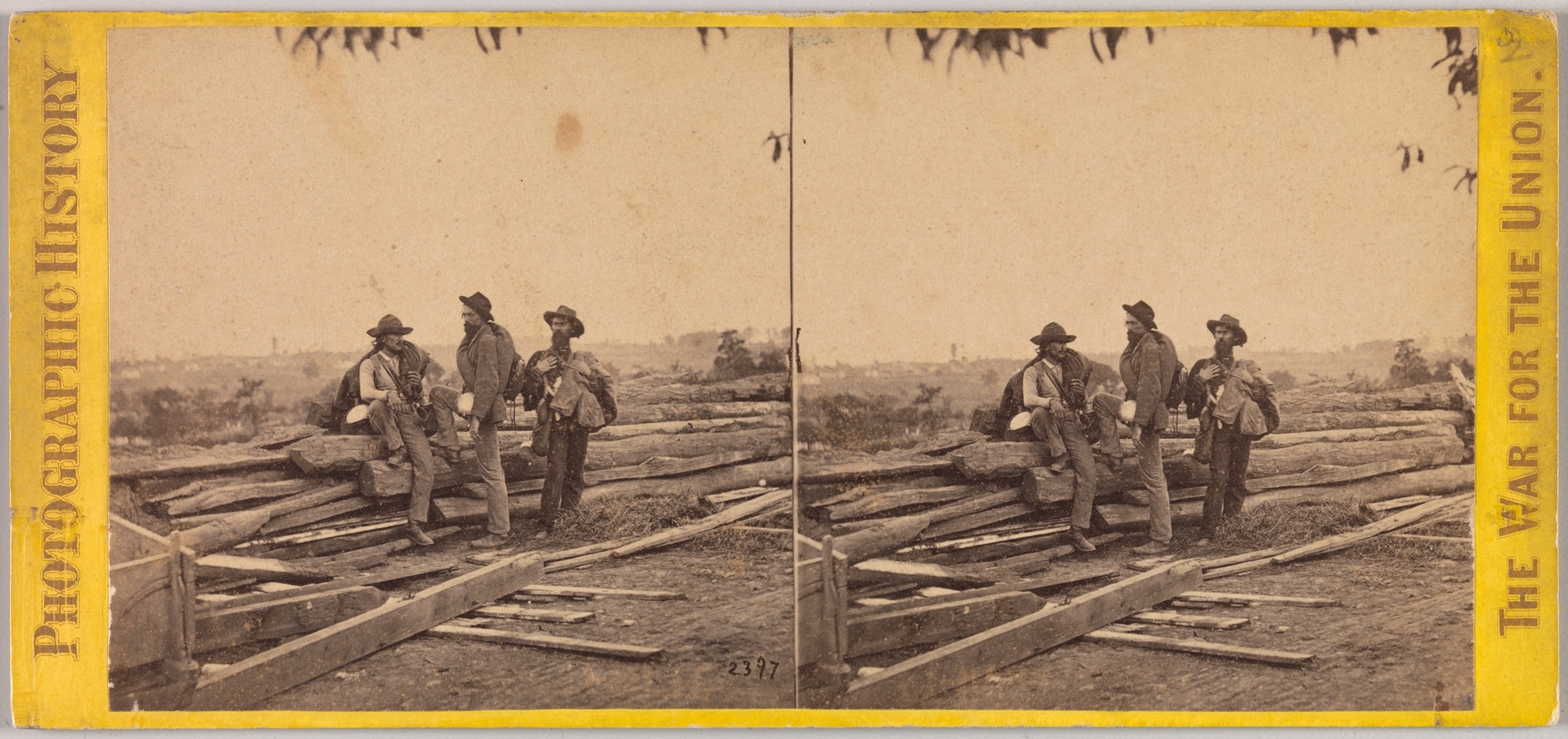
Key Historical Facts
| Fact | Detail |
|---|---|
| Epic Battles | Battle of Gettysburg |
| Date | 1-3 July 1863 |
| Location | Gettysburg, Pennsylvania (39.82, -77.23) |
| Belligerents, Commanders & Forces | Union (North): George Meade (Strength: 93,000, Casualties: 23,000) · Confederate (South): Robert E. Lee (Strength: 71,000, Casualties: 28,000) |
| Weather | Hot summer |
| Outcome | Union Victory |
Belligerents, Commanders & Forces
Union (North)
- Commander
- George Meade
- Stance
- Defending
- Strength
- 93,000
- Casualties
- 23,000
Confederate (South)
- Commander
- Robert E. Lee
- Stance
- Attacker
- Strength
- 71,000
- Casualties
- 28,000
Historical Significance
The Confederation could not attack again.
Outcome
Union Victory
Chronological Phases of the Battle
-
1. June 3 - 30, 1863
March North and Redeployment
Following the victory at Chancellorsville, General Lee launched a comprehensive campaign toward Pennsylvania via the Shenandoah Valley in order to carry the war to the North. While Confederate forces dispersed to gather supplies, the Army of the Potomac shadowed the enemy, closing the distance. The two armies were step by step driven toward an inevitable clash.
-
2. July 1, 1863, Morning
First Contact: McPherson Ridge
Approaching the town of Gettysburg via Cashtown, the Confederate divisions made contact with Union cavalry under the command of Buford. Deployed along McPherson Ridge, the cavalry successfully delayed the superior enemy force until infantry units arrived. Though the early death of General Reynolds shook morale, Northern troops held the defensive line with determination.
-
3. July 1, 1863, Afternoon
Collapse of the Union Line and Retreat
With the arrival of Ewell's corps from the north, Union lines came under intense pressure from two fronts. Following fierce street fighting in the streets of Gettysburg, Union forces were forced to withdraw southward. A new defensive perimeter was established on Cemetery Hill and Culp's Hill and rapidly fortified.
-
4. July 2, 1863, Afternoon
Severe Collapse on the Left Flank
General Longstreet launched an assault on the Union left flank. Bloody hand-to-hand combat took place in the terrain known as the Peach Orchard, the Wheatfield, and Devil's Den. Although General Sickles' tactical error of advancing his line made defense difficult, Union reinforcements rapidly entered battle to protect the area.
-
5. July 2, 1863, Late Afternoon
Defense of Little Round Top
A relentless struggle began on Little Round Top, the critical southern anchor of the Union line. When their ammunition ran out, Colonel Chamberlain and the 20th Maine Regiment launched a bayonet charge and heroically defended the hill. The integrity of the Union army was preserved while the Confederate flanking maneuver was decisively thwarted.
-
6. July 2, 1863, Night
Night Combat on the Eastern Flank
The Confederate left wing assaulted the Union positions on Culp's Hill and Cemetery Hill in the darkness. Steep slopes and pre-constructed fortifications rendered the assault difficult. Amidst heavy smoke and pitch darkness, although the Southerners captured some trenches, they failed to completely take the hill.
-
7. July 3, 1863, Afternoon
Assault on the Center: Pickett's Charge
Following a massive artillery preparation, roughly 12,000 Confederate troops advanced across open terrain toward Cemetery Ridge. Advancing under intense artillery and rifle fire, the Southerners suffered heavy casualties and managed to breach the line at a narrow point. A counterattack by union reserves completely shattered the assault, exhausting Lee's army.
-
8. July 4 - 14, 1863
Retreat and the Crossing of the Potomac
Suffering heavy casualties, General Lee decided to retreat in stormy weather after waiting in his positions throughout Independence Day. The miles-long convoy of wounded reached the Potomac River via Williamsport. Under the cautious pursuit of the Army of the Potomac, the Confederate army returned to Virginia, ending the campaign in decisive defeat.
Frequently Asked Questions
When and where did Battle of Gettysburg take place, and what was the outcome?
Battle of Gettysburg took place on 1-3 July 1863 at Gettysburg, Pennsylvania and ended with Union Victory.
Who were the commanders and troop numbers in Battle of Gettysburg?
Union (North): George Meade (Strength: 93,000, Casualties: 23,000) · Confederate (South): Robert E. Lee (Strength: 71,000, Casualties: 28,000)
Why is Battle of Gettysburg historically significant?
The Confederation could not attack again.