Naval Battle of Çanakkale, March 18
On March 18, 1915, a massive Allied armada belonging to the United Kingdom and France, under the command of Admiral de Robeck, launched a comprehensive offensive to force the Dardanelles Strait using naval power alone and reach Istanbul. The Ottoman coastal fortifications repelled the assault thanks to the extraordinary resilience of gunners like Corporal Seyit and the covert minefield laid in Erenköy Bay by the minelayer Nusret; the Allied battleships suffered heavy losses and were forced to retreat.
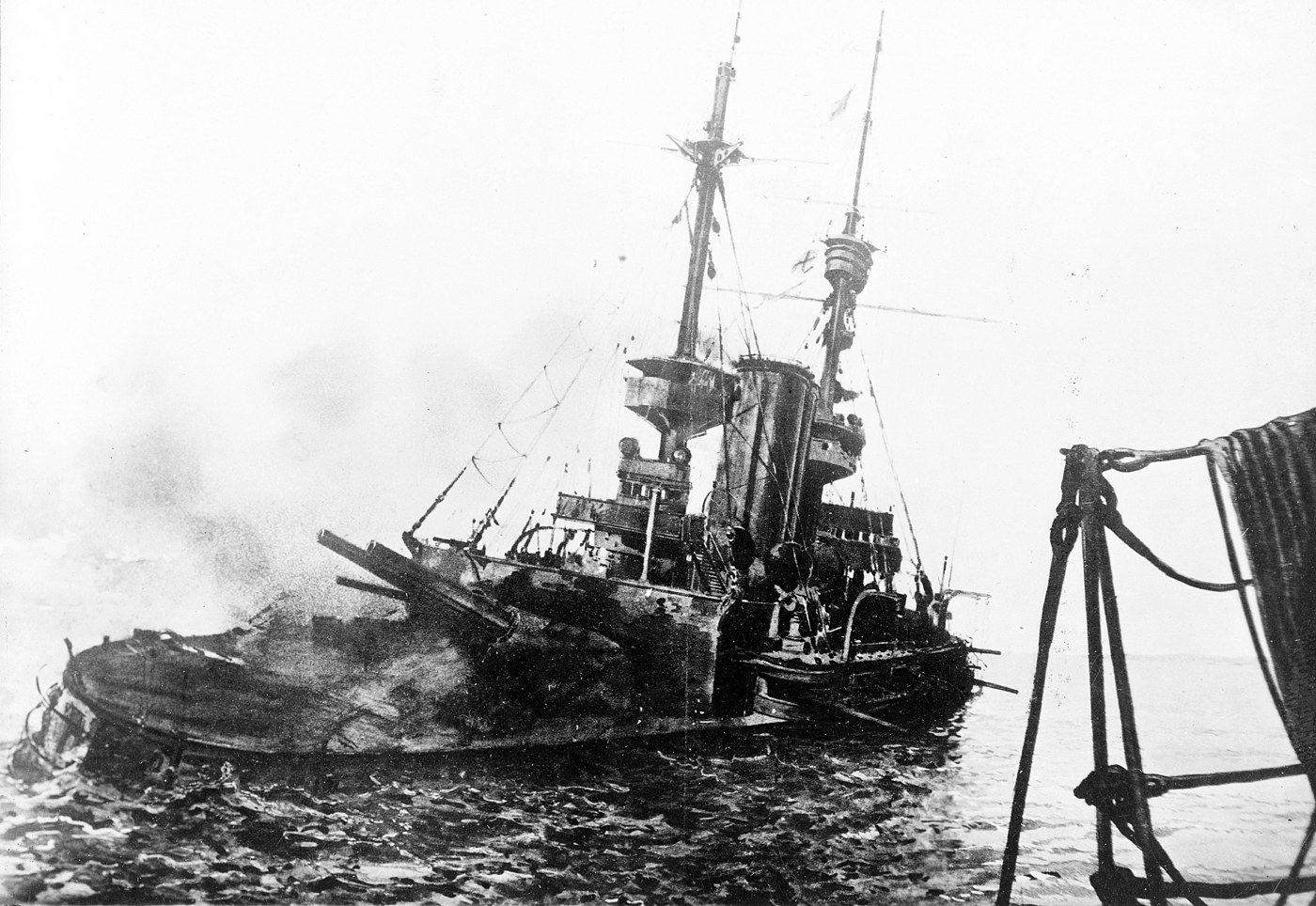
Key Historical Facts
| Fact | Detail |
|---|---|
| Epic Battles | Naval Battle of Çanakkale, March 18 |
| Date | 18 March 1915 |
| Location | Strait of Dardanelles, Ottoman Empire (40.06, 26.36) |
| Belligerents, Commanders & Forces | Ottoman Empire: General Cevat & Nazım Bey (Strength: 4,200, Casualties: 118 şehit ve yaralı) · Allied Fleet (United Kingdom & France): Admiral John de Robeck & Admiral Émile Guépratte (Strength: 12,000, Casualties: 700+ denizci, 3 zırhlı batırıldı) |
| Weather | A clear and calm spring morning, light breeze from the northeast |
| Outcome | Decisive Ottoman Victory; the Allied fleet could not pass the Straits, and the Gallipoli Land Campaigns ensued. |
Belligerents, Commanders & Forces
Ottoman Empire
- Commander
- General Cevat & Nazım Bey
- Stance
- Defending
- Strength
- 4,200
- Casualties
- 118 şehit ve yaralı
Allied Fleet (United Kingdom & France)
- Commander
- Admiral John de Robeck & Admiral Émile Guépratte
- Stance
- Attacker
- Strength
- 12,000
- Casualties
- 700+ denizci, 3 zırhlı batırıldı
Historical Significance
This victory proved that the most modern navy of the period could not force the Dardanelles with naval power alone, forcing the Allies into a land campaign. At the same time, by cutting off allied aid to Russia, it accelerated the collapse of the Tsarist regime and sparked the national consciousness leading to the Turkish War of Independence.
Outcome
Decisive Ottoman Victory; the Allied fleet could not pass the Straits, and the Gallipoli Land Campaigns ensued.
Chronological Phases of the Battle
-
1. March 8, 1915, Midnight
Nusret's Covert Move
The minelayer Nusret, commanded by Captain Tophaneli Hakkı Bey, slipped into Erenköy Bay in pitch darkness. It secretly laid twenty-six mines parallel to the shore without being caught by Allied patrol boats. This strategic trap line, escaping the eyes of enemy reconnaissance aircraft, would be the scene of one of the greatest shocks in world naval history ten days later.
-
2. March 18, 1915, 10:30
Entry of the Allied Fleet and Bombardment
Sixteen massive pre-dreadnoughts under the command of Admiral de Robeck entered the Strait in three lines. Allied battleships, spearheaded by Queen Elizabeth and Agamemnon, began relentlessly bombarding the Kilitbahir and Çimenlik fortifications. The coastal forts were shrouded in thick smoke, but Turkish batteries responded rapidly and accurately to the ships entering their range.
-
3. March 18, 1915, 13:45
The French Line and the Sinking of Bouvet
The French line under the command of Admiral Guépratte was pushed forward to silence the fortifications. Subjected to heavy artillery fire, the French battleship Bouvet struck one of Nusret's mines during a withdrawal maneuver. As the massive warship capsized and plunged into the depths of the Strait in a mere two minutes along with over six hundred crew members, immense panic gripped the Allied ranks.
-
4. March 18, 1915, 16:15
The Disaster of Irresistible and Ocean
Following the loss of the Bouvet, the British line was also driven into a minefield. The battleship *Irresistible* struck a mine and was left immobilized. The *Ocean*, which came to her rescue, met the same fate. A heavy artillery shell, hoisted and fired by Corporal Seyit with superhuman strength, struck the *Ocean* in her steering gear; both drifting battleships were abandoned to their fate under the fire of the shore batteries.
-
5. March 18, 1915, 18:00
The Withdrawal of the Allied Fleet
As the sun set, the waters of the Strait were covered in smoke, fire, and the wreckage of sunken giant warships. Having lost a third of his fleet and with three battleships heavily damaged, Admiral de Robeck ordered a retreat. The Dardanelles could not be forced; the Ottoman fortified positions had won a great victory, burying the myth of the navy's invincibility forever in history.
Frequently Asked Questions
When and where did Naval Battle of Çanakkale, March 18 take place, and what was the outcome?
Naval Battle of Çanakkale, March 18 took place on 18 March 1915 at Strait of Dardanelles, Ottoman Empire and ended with Decisive Ottoman Victory; the Allied fleet could not pass the Straits, and the Gallipoli Land Campaigns ensued..
Who were the commanders and troop numbers in Naval Battle of Çanakkale, March 18?
Ottoman Empire: General Cevat & Nazım Bey (Strength: 4,200, Casualties: 118 şehit ve yaralı) · Allied Fleet (United Kingdom & France): Admiral John de Robeck & Admiral Émile Guépratte (Strength: 12,000, Casualties: 700+ denizci, 3 zırhlı batırıldı)
Why is Naval Battle of Çanakkale, March 18 historically significant?
This victory proved that the most modern navy of the period could not force the Dardanelles with naval power alone, forcing the Allies into a land campaign. At the same time, by cutting off allied aid to Russia, it accelerated the collapse of the Tsarist regime and sparked the national consciousness leading to the Turkish War of Independence.