Siege of Antioch (1097–1098)
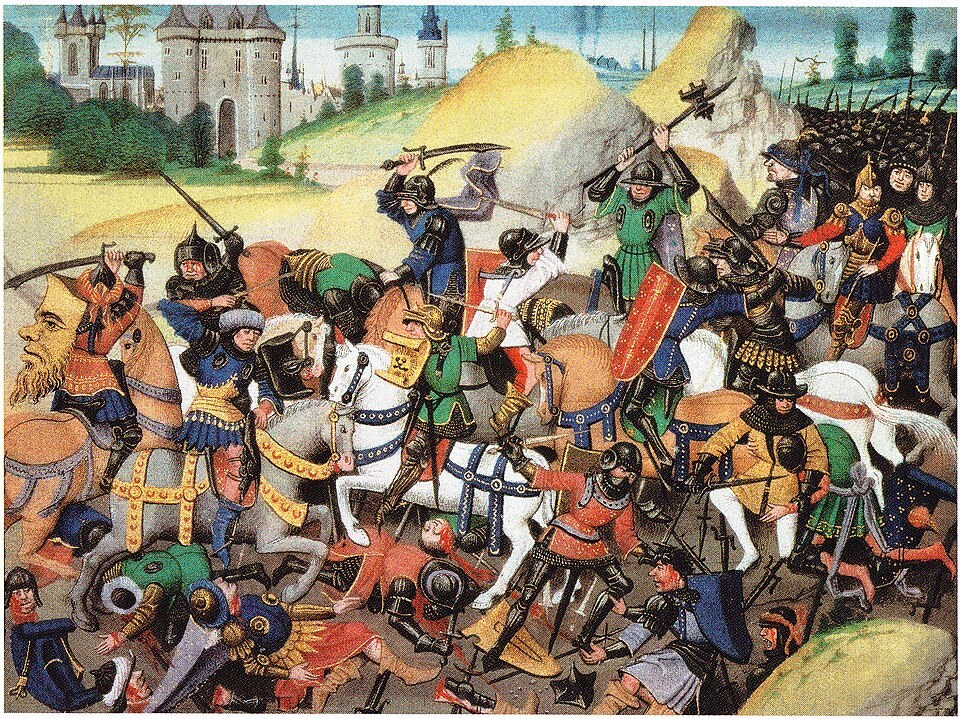
The Siege of Antioch, the most critical and bloody turning point of the First Crusade, took place as the Crusader armies besieged the massive, wall-enclosed city under Seljuk control for eight months to open the road to Jerusalem, followed by the Crusaders—who had entered the city—being besieged in turn by Kerbogha, the Atabeg of Mosul. This two-stage struggle resulted in a decisive Crusader victory in the shadow of famine, betrayal, and religious fanaticism.
Key Historical Facts
| Fact | Detail |
|---|---|
| Epic Battles | Siege of Antioch (1097–1098) |
| Date | October 20, 1097 – June 28, 1098 |
| Location | Antioch, Turkey (36.2021, 36.1606) |
| Belligerents, Commanders & Forces | Crusader Army: Bohemond, Raymond of Saint-Gilles, Godfrey of Bouillon (Strength: 35,000, Casualties: Yaklaşık 10.000 (büyük kısmı açlık ve hastalıktan)) · The Great Seljuks and Allies: Yaghi-Siyan, Kerbogha, Ridwan (Strength: 45,000, Casualties: Yaklaşık 25.000 ölü ve esir) |
| Weather | Freezing rain and mud during the winter months, followed by scorching summer heat |
| Outcome | A Crusader victory: the Principality of Antioch was established. |
Belligerents, Commanders & Forces
Crusader Army
- Commander
- Bohemond, Raymond of Saint-Gilles, Godfrey of Bouillon
- Stance
- Attacker
- Strength
- 35,000
- Casualties
- Yaklaşık 10.000 (büyük kısmı açlık ve hastalıktan)
The Great Seljuks and Allies
- Commander
- Yaghi-Siyan, Kerbogha, Ridwan
- Stance
- Defending
- Strength
- 45,000
- Casualties
- Yaklaşık 25.000 ölü ve esir
Historical Significance
The fall of Antioch and the subsequent victory in the field battle paved the way for the Crusaders to establish permanent principalities in the Near East and made the conquest of Jerusalem militarily feasible.
Outcome
A Crusader victory: the Principality of Antioch was established.
Chronological Phases of the Battle
-
1. October 20, 1097
The Beginning of the Siege
The Crusader armies crossed the Orontes River and reached the walls of Antioch. Guarded by massive, seemingly impenetrable walls and hundreds of towers, the city was commanded by Yaghi-Siyan. Bohemond and Godfrey deployed their forces to completely encircle the city, but severe food shortages quickly became the army's greatest nightmare from the very first day.
-
2. December 1097 - January 1098
Winter Famine and Contact with Firuz
As freezing rains turned the encampment into a mire, famine broke out; the soldiers were forced to eat grass and horse meat. Meanwhile, the Norman leader Bohemond secretly contacted Firuz, an Armenian renegade and armorer who held one of the defense towers within the city. Through secret bribes and promises, a plot of betrayal was woven step by step.
-
3. February 1098
The Repulsing of the Relief Armies
The reinforcement forces dispatched by the Amirs of Damascus and Aleppo to save the city were systematically destroyed piece by piece by Bohemond's cleverly laid cavalry ambushes. In the engagement known as the Battle of the Lake, the Crusader knights regained their morale by crushing the Seljuk horsemen in a confined space, but the real danger was approaching from the east.
-
4. June 2-3, 1098
Infiltration from the Maiden's Tower
As the massive army of Kerbogha, the Atabeg of Mosul, approached, Bohemond took action. Elite troops scaling the walls under the cover of night using leather ladders extended to the Two Sisters Tower opened the gates. Pouring into the city, the Crusaders unleashed a horrific massacre; Yaghi-Siyan was killed while fleeing, but the citadel continued to resist.
-
5. June 4-9, 1098
The Besiegement of the Besiegers
When the massive Seljuk army commanded by Kerbogha reached the outskirts of Antioch, the roles completely reversed. The Crusaders, who had captured the city but found no provisions, became trapped inside the walls. Trapped between the hundred-thousand-strong enemy outside and the garrison attacking from the citadel inside, absolute despair set in for the Christians.
-
6. June 14, 1098
The Discovery of the Holy Lance
Ravaged by famine and plagues, a monk named Peter Bartholemew claimed that the Holy Lance, which had pierced Jesus' side, was buried under the floor of the Cathedral of Saint Peter. Excavation revealed a rusty iron tip. This discovery created an unimaginable religious hysteria and belief in invincibility within the exhausted Crusader army.
-
7. June 28, 1098
The Great Sortie and Field Battle
As the Holy Lance was carried at the vanguard, the Crusader army marched out of the gates and deployed along the Orontes River. Kerbogha chose to draw the army into the plain en masse rather than destroying it piecemeal. However, facing the fanatical charge of the Crusaders, old animosities among the Seljuk emirs flared up, and the army began to panic and disintegrate.
-
8. Evening of June 28, 1098
Victory and the Surrender of the Citadel
When Kerbogha's camp was plundered and the Turkish army completely withdrew, the remaining castle garrison surrendered to Bohemond. The eight-month epic siege ended, and the Crusaders captured the most critical fortress in the Near East, completely opening the road to Jerusalem. Bohemond proclaimed himself Prince of Antioch.
Frequently Asked Questions
When and where did Siege of Antioch (1097–1098) take place, and what was the outcome?
Siege of Antioch (1097–1098) took place on October 20, 1097 – June 28, 1098 at Antioch, Turkey and ended with A Crusader victory: the Principality of Antioch was established..
Who were the commanders and troop numbers in Siege of Antioch (1097–1098)?
Crusader Army: Bohemond, Raymond of Saint-Gilles, Godfrey of Bouillon (Strength: 35,000, Casualties: Yaklaşık 10.000 (büyük kısmı açlık ve hastalıktan)) · The Great Seljuks and Allies: Yaghi-Siyan, Kerbogha, Ridwan (Strength: 45,000, Casualties: Yaklaşık 25.000 ölü ve esir)
Why is Siege of Antioch (1097–1098) historically significant?
The fall of Antioch and the subsequent victory in the field battle paved the way for the Crusaders to establish permanent principalities in the Near East and made the conquest of Jerusalem militarily feasible.