Siege of Acre (1291)
The historic siege in which the Mamluk Sultanate captured Acre, the final stronghold of the Kingdom of Jerusalem, bringing an end to the Crusader period of dominance on the continental mainland of the Eastern Mediterranean.
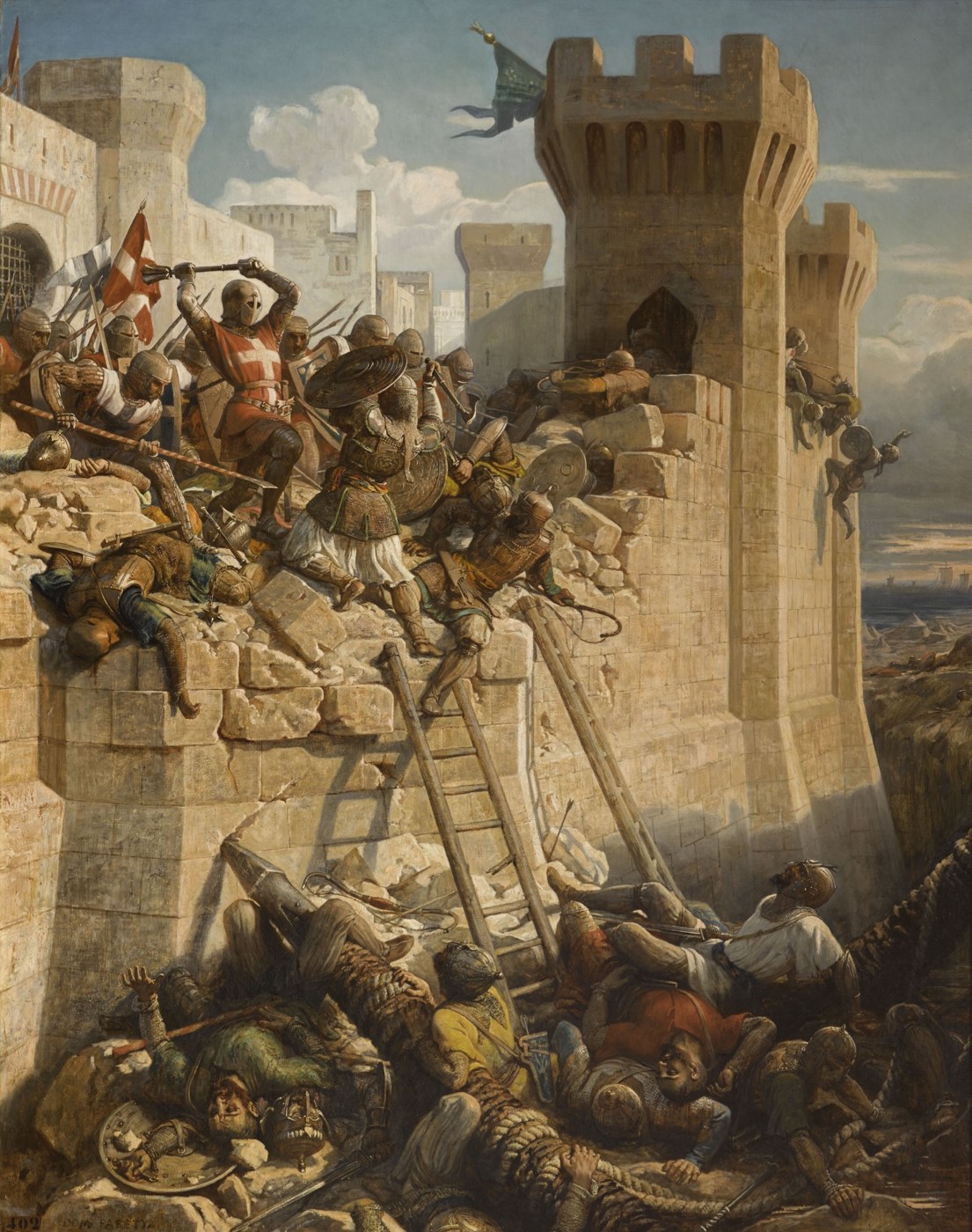
Key Historical Facts
| Fact | Detail |
|---|---|
| Epic Battles | Siege of Acre (1291) |
| Date | April 5 - May 18, 1291 |
| Location | Acre, modern-day Israel (32.9228, 35.0706) |
| Belligerents, Commanders & Forces | The Mamluk Sultanate: Al-Ashraf Khalil (Strength: 60,000, Casualties: Yüksek (Kesin rakam yok, tahmini 10.000-15.000)) · The Kingdom of Jerusalem and the Military Orders: Guillaume de Beaujeu (Strength: 14,000, Casualties: Neredeyse tamamı (Ölenler ve köleleştirilenler dahil 10.000+)) |
| Weather | Late spring, scorching heat and dry winds along the Mediterranean coast. |
| Outcome | Mamluk victory. The Crusaders were completely driven out of the Eastern Mediterranean. |
Belligerents, Commanders & Forces
The Mamluk Sultanate
- Commander
- Al-Ashraf Khalil
- Stance
- Attacker
- Strength
- 60,000
- Casualties
- Yüksek (Kesin rakam yok, tahmini 10.000-15.000)
The Kingdom of Jerusalem and the Military Orders
- Commander
- Guillaume de Beaujeu
- Stance
- Defending
- Strength
- 14,000
- Casualties
- Neredeyse tamamı (Ölenler ve köleleştirilenler dahil 10.000+)
Historical Significance
Marking the de facto end of the Crusader presence in the East, this represents a turning point in military history regarding the intensive use of heavy siege artillery and sappers in breaching fortifications.
Outcome
Mamluk victory. The Crusaders were completely driven out of the Eastern Mediterranean.
Chronological Phases of the Battle
-
1. April 5, 1291
Arrival of the Mamluk Army and Formation of the Siege Ring
Mamluk Sultan Al-Ashraf Khalil arrived before the walls of Acre with a massive army and heavy siege trebuchets. The city's land links were completely severed, and encampments were pitched and siege lines drawn to prevent any potential relief forces from the Christian world.
-
2. Mid-April 1291
Assembly of Heavy Siege Engines
Mamluk engineers assembled colossal trebuchets, such as 'Wrath' and 'Relentless Stubbornness', opposite the walls. Day and night, an unceasing rain of stones began to fracture Acre's thick outer walls and undermine the defenders' morale.
-
3. Early May 1291
Sapping Operations and Undermining the Walls
In addition to mangonels, skillfully executed sap-mining operations were brought into play. Mamluk sappers tunneled under the walls with wooden supports to create a dynamite-like effect, undermining the towers and planning sudden collapses.
-
4. May 15, 1291
Demolition of the Cursed Tower and General Assault
As a result of days of intense bombardment and mine detonations, the Cursed Tower, the most strategic point of the city, was reduced to rubble. The Mamluk forces launched a bloody general assault to enter through this breach.
-
5. May 16, 1291
The Death of Guillaume de Beaujeu
Guillaume de Beaujeu, Grand Master of the Knights Templar, is gravely wounded in the chest by a crossbow bolt during the fiercest fighting and dies behind the lines. This death causes chaos among the defenders.
-
6. May 17, 1291
The Fall of the City and Urban Warfare
With the fall of the walls, Mamluk soldiers flood into the city. Massacres and fierce clashes begin in the streets. While the civilian population attempts to escape to the ships in the harbor, neighborhoods fall one by one and the resistance is broken.
-
7. May 18, 1291
The Final Stand of the Citadel of Acre
Despite the fall of the city as a whole, the Knights Templar Citadel by the sea continued to resist. In the Mamluks' final assault to demolish the fortress, the collapse of a tunnel caused both the attackers and the last knights to perish beneath the rubble.
Frequently Asked Questions
When and where did Siege of Acre (1291) take place, and what was the outcome?
Siege of Acre (1291) took place on April 5 - May 18, 1291 at Acre, modern-day Israel and ended with Mamluk victory. The Crusaders were completely driven out of the Eastern Mediterranean..
Who were the commanders and troop numbers in Siege of Acre (1291)?
The Mamluk Sultanate: Al-Ashraf Khalil (Strength: 60,000, Casualties: Yüksek (Kesin rakam yok, tahmini 10.000-15.000)) · The Kingdom of Jerusalem and the Military Orders: Guillaume de Beaujeu (Strength: 14,000, Casualties: Neredeyse tamamı (Ölenler ve köleleştirilenler dahil 10.000+))
Why is Siege of Acre (1291) historically significant?
Marking the de facto end of the Crusader presence in the East, this represents a turning point in military history regarding the intensive use of heavy siege artillery and sappers in breaching fortifications.