Sultan Alp Arslan
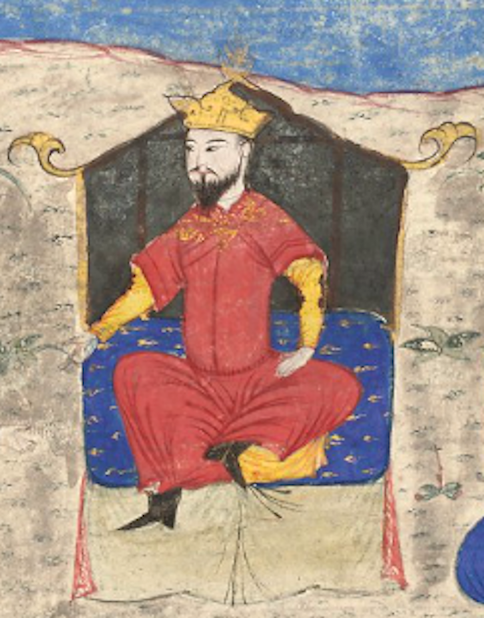
He conquered Ani Castle and opened the gates of Anatolia by defeating the Byzantine army, which was superior in number, in the Battle of Manzikert in 1071, with a perfect fake retreat and crescent ambush.
Portrait Attribution: Wikimedia Commons (Public domain · Hafiz-i Abru). Historical portrait, sculpture or posthumous depiction; not a photograph unless the source states it
Commander Profile Summary
| Attribute | Details |
|---|---|
| Commander | Sultan Alp Arslan |
| Title / Role | Great Seljuk Sultan |
| Historical Era | 1029-1072 |
| Tactical Doctrine | Feigned Retreat, Crescent Ambush, Steppe Cavalry Maneuver |
| Battles in WikiFlow | 1: Battle of Manzikert (26 August 1071) |
Biography & Strategic Legacy
He conquered Ani Castle and opened the gates of Anatolia by defeating the Byzantine army, which was superior in number, in the Battle of Manzikert in 1071, with a perfect fake retreat and crescent ambush.
Inside WikiFlow's 3D ChronoAtlas and Epic Battles engine, explore Sultan Alp Arslan's campaigns step by step with dynamic weather, force strength ratios, and alternate history What-If outcomes.
Decisive Battles Commanded (1)
Frequently Asked Questions
When did Sultan Alp Arslan live and what was their historical role?
Sultan Alp Arslan (1029-1072) served as Great Seljuk Sultan. He conquered Ani Castle and opened the gates of Anatolia by defeating the Byzantine army, which was superior in number, in the Battle of Manzikert in 1071, with a perfect fake retreat and crescent ambush.
What tactical doctrine is Sultan Alp Arslan best known for?
Sultan Alp Arslan's signature military doctrine centers on: Feigned Retreat, Crescent Ambush, Steppe Cavalry Maneuver.
Which decisive battles led by Sultan Alp Arslan can be explored in WikiFlow?
Featured campaigns and battles associated with Sultan Alp Arslan in WikiFlow include: Battle of Manzikert (26 August 1071).